Our solutions to make your house a home
At Daikin, we believe that a house becomes a home through comfort, care, and the joy of shared moments. Our advanced residential solutions, from air-to-air and air-to-water heat pumps to air purification and residential ventilation, are designed to enhance your living experience.
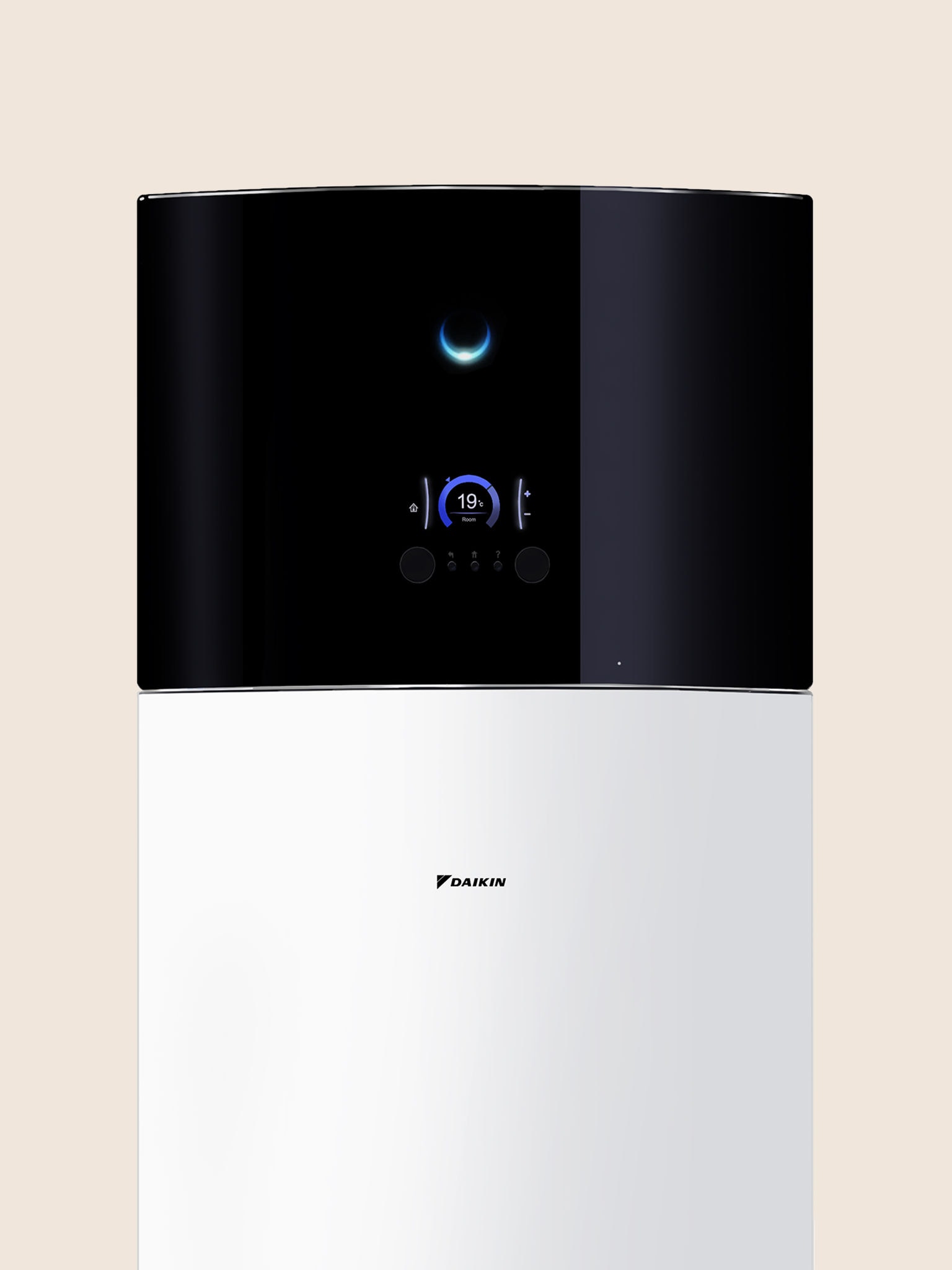
Replace or enhance your existing central heating system with a heat pump, a sustainable heating system designed to heat, cool and provide domestic hot water for your house
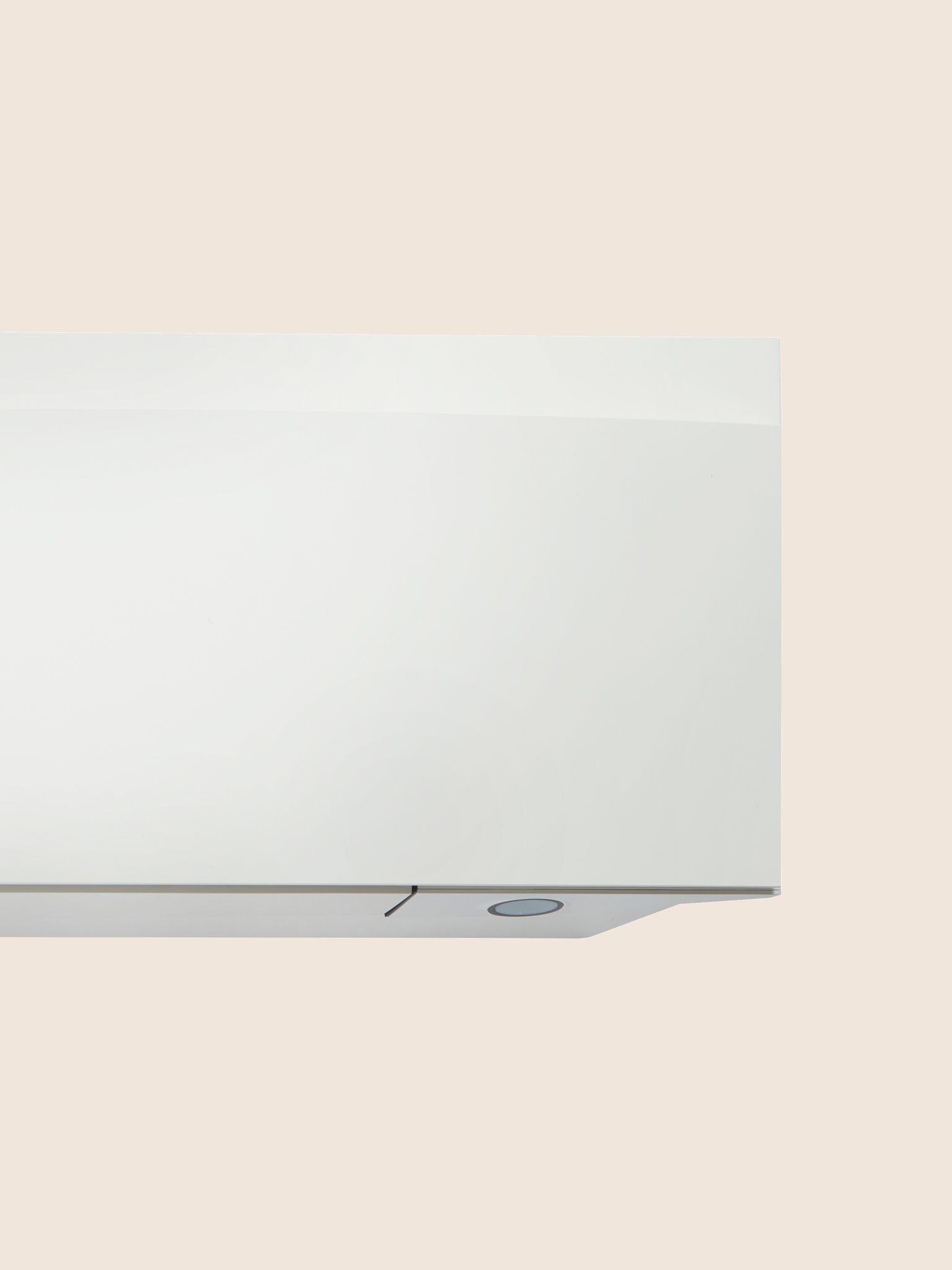
Get year-round comfort at home with advanced, efficient heating and cooling technology. Adding a tank will give you domestic hot water too.
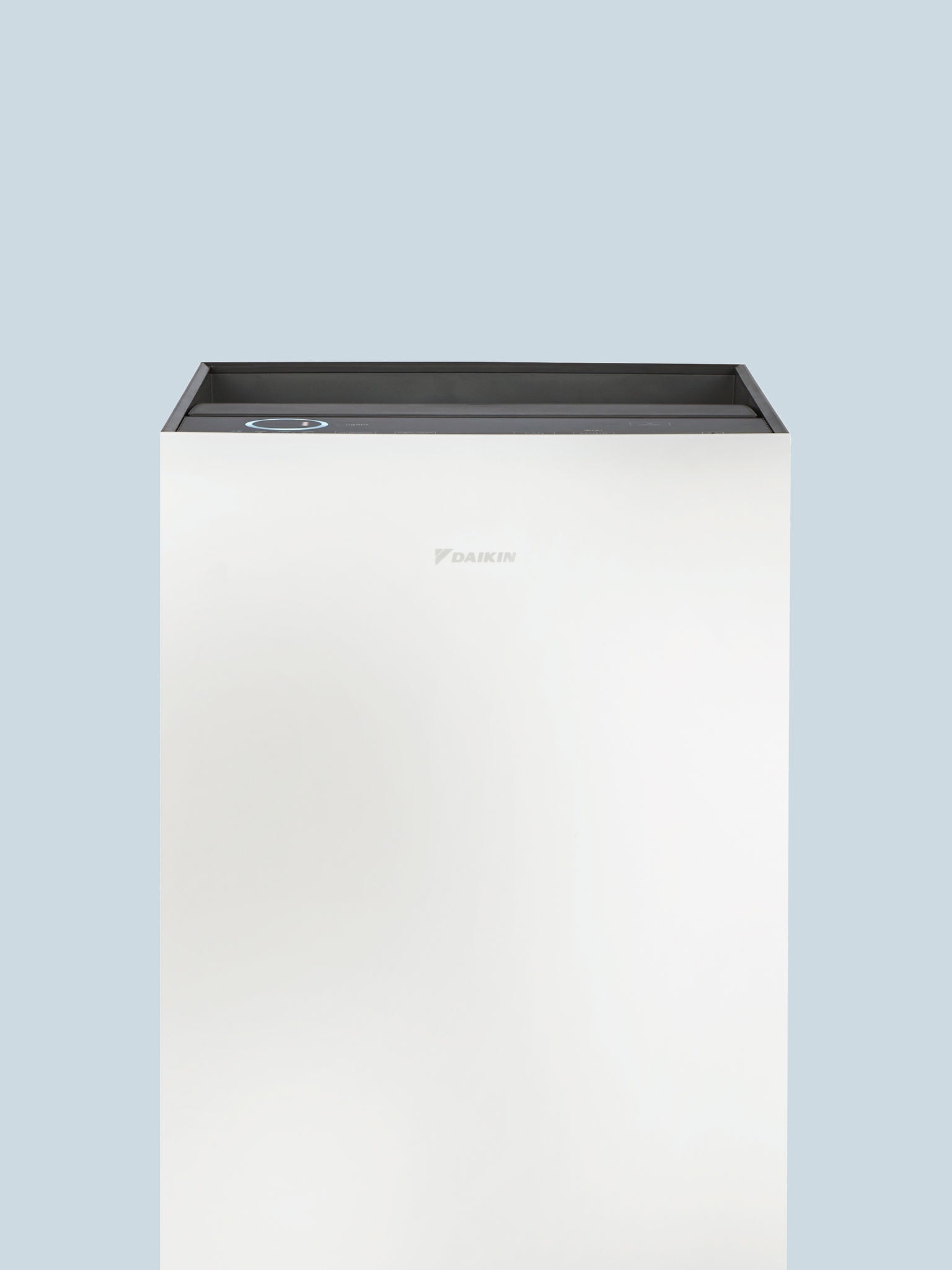
Clean and refresh the air, creating a healthy home for you and your family with our range of innovative air purifiers
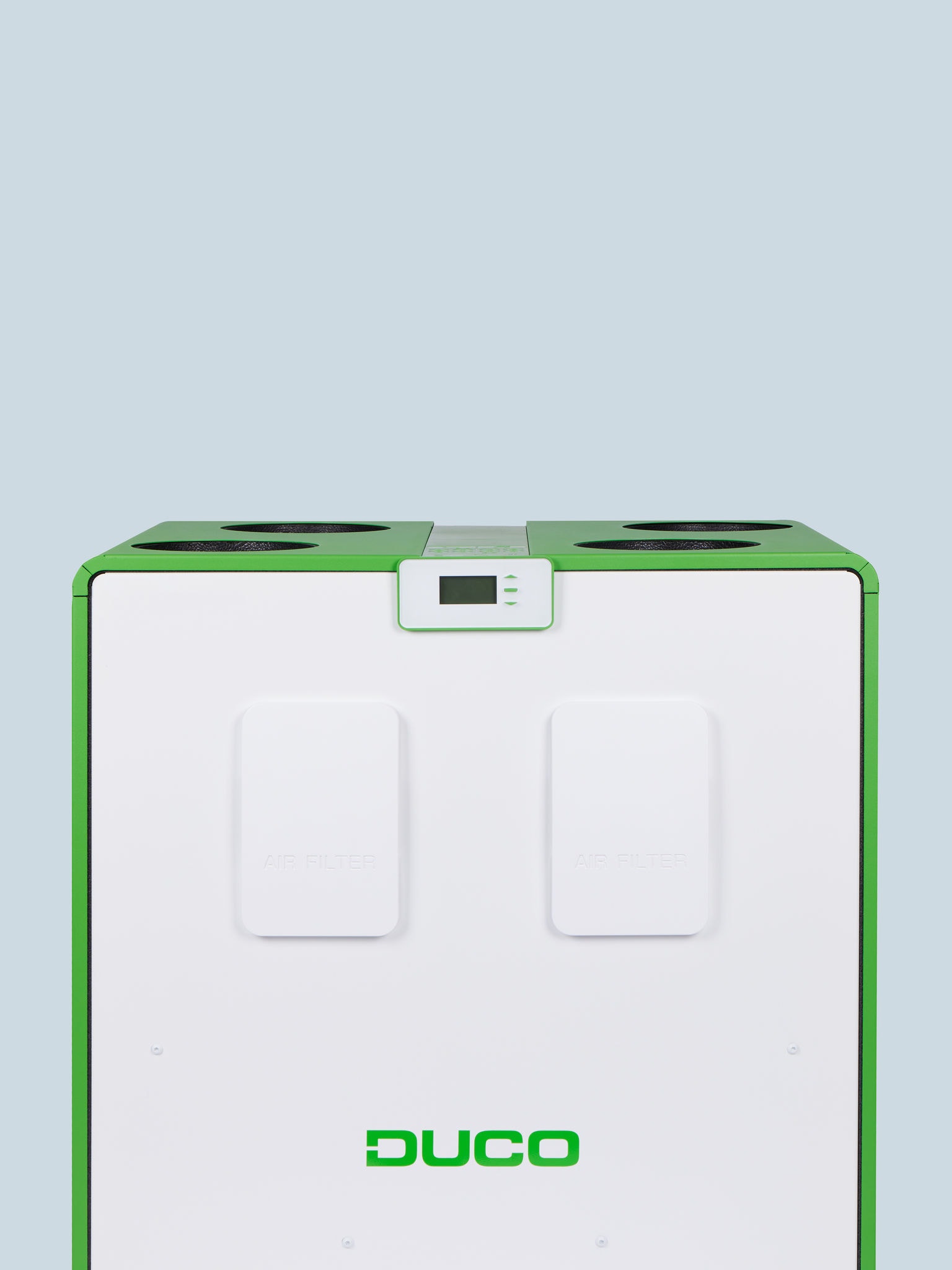
Create a healthy environment in your home by adding clean and fresh air with our centralised heat recovery ventilation systems
Our solutions for heating, cooling and hot water
Lorem ipsum dolor sit amet. Qui deleniti assumenda qui architecto debitis qui doloribus omnis ea dolores odit cum eius voluptas.
Air-to-water heat pumps
Air-to-water heat pumps are cost-efficient, renewable energy, all-round heating, cooling and domestic hot water systems. You can count on a versatile integration with existing and new heating emitters. Ideal for new homes, renovations and replacement of boilers.
Air-to-air heat pumps
Get year-round comfort at home during summer and winter with advanced, efficient heating and cooling technology. Adding a tank will give you domestic hot water too. Ideal for new homes, to accompany your boiler and to replace your old electric systems.
6 reasons to invest in a heat pump
Lorem ipsum dolor sit amet. Qui deleniti assumenda qui architecto debitis qui doloribus omnis ea dolores odit cum eius voluptas.
More information about heat pumps
Lorem ipsum dolor sit amet. Qui deleniti assumenda qui architecto debitis qui doloribus omnis ea dolores odit cum eius voluptas.
Yes, heat pumps can connect to either old or new radiators.
If you already have radiators in your home, high-temperature heat pumps or hybrid heat pumps (if you’re replacing a gas boiler) can easily connect to them and use existing piping without the need to replace the radiators or carrying out additional works.
Most heat pumps usually come with an indoor and an outdoor unit. Each unit produces sound when in operation, this sound is generally measured in dBA and these levels range from a scale of 0 dBA to 140 dBA.
When looking at sound levels you will also see specifications given for sound power level and sound pressure level.
Sound power level is the sound level measured directly at the source.
Sound pressure level is the sound level measured at a specified distance (usually 1.5 - 2 metres) from the source.
The indoor units of Daikin heat pumps generally produce a sound pressure level of about 30dBA, which is comparable to the sound of a person whispering.
Outdoor units, since they come in a bigger variety of sizes, range in sound pressure levels between 40dBA and 62 dBA, which are comparable to the sounds of birds a chirping and people having a conversation respectively.
The typical lifespan of a heat pump is generally between 15 and 20 years, though this depends on a number of factors. For example, maintenance. Although heat pumps are a low-maintenance solution, an annual check-up by your installer or service partner will help maximise its lifespan.
Across Europe, different countries have different regulations and incentives on national and regional level to support the purchase and installation of a heat pump.
As each will have their own schemes and eligibility criteria, we advice you to consult your chosen Daikin installer, or your government's website, for more information.
Heat pumps are not very demanding. We advise scheduling an annual maintenance appointment with your installer or service provider to make sure your pump keeps working as efficiently as possible. A typical service would include a number of standard checks, as well as a thorough cleaning of the unit and filters.
A Daikin heat pump installer will manage everything related to ordering, delivery and installation of your heat pump.
The simplest answer is, it depends. Installing a heat pump is more than just the placement of an indoor and an outdoor unit, therefore there is no definite timeframe when it comes to the amount of time it will take to install a heat pump as it will depend on a number of different factors such as:
- Type of home: The first thing that will be taken into account is the type of home a heat pump will be installed in. Is it a new-build or an existing home? With new-build homes, the planning needs to be taken into account with all other building currently taking place. With existing homes, things such as whether existing emitters will be used or will be replaced with new ones will play a part in the time needed.
- Type of heat pump: Since there is a variety of different heat pumps, each one also has its own time requirement for the installation.
- Additional works: Whether you are installing a heat pump in an existing or new-build home, there may be additional works that need to take place in order to ensure that you’re getting the most out of your new system. This could include the installation or replacement of emitters (such as radiators), optimising your insulation etc.
The price of installing a heat pump varies depending on the type of heat pump you choose and the country you live in.
Other factors that can affect the price are renovation or additional building works (such as insulation) that need to carried out, plus your installer. Different installers will have different prices according to their expertise and experience.
You can get advice on which type of heat pump is best suited to your home from a Daikin installer, staff at the manufacturer’s flagship store, or consult our residential solutions navigator.
Our solutions for optimising your indoor air quality
Lorem ipsum dolor sit amet. Qui deleniti assumenda qui architecto debitis qui doloribus omnis ea dolores odit cum eius voluptas.
Air purifiers
Clean and refresh the air, creating a healthy home for you and your family with our range of innovative air purifiers
Ventilation systems
Create a healthy environment in your home by adding clean and fresh air with our centralised heat recovery ventilation systems
The importance of indoor air quality
Lorem ipsum dolor sit amet. Qui deleniti assumenda qui architecto debitis qui doloribus omnis ea dolores odit cum eius voluptas.


More information about air purifiers and ventilation systems
Lorem ipsum dolor sit amet. Qui deleniti assumenda qui architecto debitis qui doloribus omnis ea dolores odit cum eius voluptas.
What is the function of an air purifier?
An air purifier can remove pollutants, allergens, and other contaminants from the air. Using a combination of technologies such as electrostatic HEPA filters, activated carbon filters and ionisers, air purifiers help to capture and neutralise pollutants making the air you breathe considerably cleaner.
The 5 benefits of using an air purifier
There are many advantages of having an air purifier at home or in the office, including:
- Improving indoor air quality by removing pollutants such as dust, pollen, pet dander, mould spores and smoke from the air.
- Reducing allergies and asthma symptoms by removing allergens from the air.
- Reducing odours such as smoke, cooking odours and chemicals by using activated carbon filters and other purifying technologies.
- Improving sleep is one of the key benefits of an air purifier. It creates a cleaner and more comfortable sleeping environment by removing pollutants and allergens from the air.
- Creating a more comfortable and enjoyable living or working space by removing pollutants and allergens from the air.
There are seven signs that your home or office could benefit from an air purifier:
- Symptoms such as headaches, sneezing or coughing can be related to poor air quality
- A build-up of dust, mould or other visible pollutants around your home
- Dust particles from a recently renovated home or office or from new furniture
- Unpleasant odours such as smoke, cooking or cleaning chemicals or the smell of an open fire
- A need to relieve allergies or asthma
- High levels of air pollution from a high-density urban environment
- A need to remove pet dander and other allergens from the air
Daikin’s air purifiers have high-efficiency electrostatic HEPA filters, which are designed to remove 99.97% of particles as small as 0.3 microns from the air, including common allergens such as dust, pollen, and pet dander.
Removing these small particles and allergens will improve air quality and reduce the symptoms of allergies and asthma.
Air purifiers can filter out the smell of smoke and harmful cigarette particles by using a combination of technologies such as high-efficiency electrostatic HEPA filters and activated carbon filters.
High-efficiency particulate absorbing filters are designed to remove 99.97% of particles as small as 0.3 microns from the air, including smoke, tar and nicotine. Air purifiers with odour filters remove volatile organic compounds (VOCs) such as smoke odours and chemicals from the air by absorbing and neutralising them.
If you’re choosing an air purifier for health reasons and to remove smoke, look for a HEPA filter and CADR (Clean Air Delivery Rate) rating. The higher the rating, the more efficient the air purifier is at removing smoke, dust and pollen from the air.
HEPA filtration is a high-efficiency particulate air filter system that is designed to catch fine particles of dust. Research shows they remove 99% of particles between 0.1μm and 2.5μm in size.
How does the HEPA filter work?
The Daikin electrostatic HEPA filter collects dust efficiently using electrostatic forces, so it’s not prone to clogging.
What are the advantages of a HEPA air purifier?
An air purifier with HEPA filtration can purify a larger amount of air.
Unlike some filters that use fine mesh, the HEPA will not clog up with dust, but can collect smaller particles.
The benefits include improved air quality as the HEPA air purifier removes a wide range of pollutants and allergens and can reduce the symptoms of allergies and asthma.
HEPA filters typically last longer than other types of filters, making them a cost-effective option in the long run. The Daikin filter has a lifetime of 10 years.
A home ventilation system improves air quality by bringing in fresh outdoor air and removing stale indoor air. It uses a heat exchanger to keep temperatures and humidity levels stable, therefore reducing heating costs. It also uses filters to help remove pollutants and allergens, making the air cleaner and healthier to breathe.
A DUCO Centralized HRV system improves indoor air quality by bringing in fresh outdoor air and removing stale indoor air. It does this by using a heat exchanger, which keeps the indoor temperature much more stable.
There are two main components to the ventilation system:
1) Heat exchanger: The heat exchanger is a device that transfers heat from stale indoor air to fresh outdoor air. This helps keep the indoor temperature stable, which reduces heating costs.
2) Filters: The system also contains filters that help to remove pollutants and allergens from the air. These filters capture and neutralize pollutants in the air, making the air inside your home or office cleaner and healthier to breathe.
In addition to this, the DUCO Centralized HRV system automatically adjusts the fan speed based on the air quality. There is also a controller and timer function, which operates inside the different rooms that the system is used in. This allows you to set the system to run for a specific period of time.
Having your DUCO Centralized HRV system regularly inspected is key to ensuring its reliability and longevity. This may include cleaning the DucoVents, replacing filters and checking for leaks or other issues.
It is also important to keep supply and exhaust vents clear of any obstructions and regularly check the filter replacement indicator to ensure that the filters are not clogged and need replacing.
Airflow and temperature in different rooms of your home or office should also be considered and checked regularly to ensure the system is distributing fresh air evenly throughout the building.
A ventilation system helps improve indoor air quality in a number of notable ways.
Whilst bringing in fresh outdoor air it also removes stale indoor air. This process is known as “air exchange”. It removes and dilutes air pollution, allergens and other contaminants.
1) Vents: A ventilation system uses a combination of supply DucoVents and exhaust DucoVents to circulate fresh air throughout a building. It then distributes this fresh air using HEPA filters. They filter and therefore neutralise the indoor air making a healthier and cleaner place to breathe.
2) Reduced allergies and asthma symptoms: A ventilation system helps reduce the symptoms of allergies and asthma by removing particles from the air.
3) Reducing odours: Everyday activities, like cooking create unwanted odours. A ventilation system helps remove these unpleasant smells, making your living environment more comfortable.
4) Improving comfort: A ventilation system can help to create a more comfortable and enjoyable living or working space. It removes pollutants, bad smells and allergens, creating a cleaner, safer place for you.
Poor ventilation affects both your home and your health. Poorly ventilated homes can cause humidity to build up leading to mould and musty odours in drywall or other building materials. A build-up of moisture can also lead to structural damage and rot, which can attract vermin and further infestations.So as a consequence of this another problem that can occur is that buildings can become too hot or cold, which leads to increased energy usage and therefore costs. The build-up of mould, bacteria and poor air quality can also lead to respiratory problems, allergies and fatigue. The two problems are interlinked and improving ventilation manages to help both issues.
Solutions to improve air quality
There are lots of solutions to solve poor air quality. Natural ventilation solutions such as opening windows, avoiding candles or using fireplaces will help. However, most effective is to install a mechanical ventilation system which is an effective and sustainable solution for improving air quality. If you have one already in place, changing and cleaning filters can bring immense benefits.
There are four main ways that an efficient ventilation system can reduce living and household costs. These are:
1) Energy savings: An HRV system (which is the most impactful way to save costs) helps with energy savings. It transfers heat from outgoing air into the fresh air in a way that keeps the temperature stable. This reduces the need for heating, saving energy costs.
2) Reduced heating and cooling loads: By exchanging outdoor air and removing stale indoor air, the ventilation system helps reduce the heating and cooling loads of an HVAC system. In turn, this helps prolong the life of HVAC equipment. This subsequently reduces maintenance costs.
3) Reduced allergies and asthma: The Duco Centralized HRV System significantly helps reduce the symptoms of allergies and asthma by removing harmful particles from the air.
4) Low maintenance cost: The Duco system has a low maintenance cost and is built from high-quality materials and advanced technology, making it durable and long-lasting.
A professional ventilation installer assesses the building and evaluates the cost. They should then consider the building’s size and number of occupants for the safest and most efficient system and ventilation installation process. They design a suitable ventilation system, taking into account building regulations and updates needed for older buildings before the Ducoflex ductwork is installed. The system needs to be accessible so it can be regularly tested and inspected for maintenance and renovation.
The installation of a ventilation system requires a few steps:
1) Assessment: A professional assesses the building to determine the type of ventilation system that is best suited for the space. This takes into consideration factors such as the size of the building, the number of occupants, and the level of air pollution in the area.
2) Design: The next step is designing the ventilation system. This includes the layout of the Ducoflex ductwork, the location of the supply and exhaust vents and the size and type of equipment needed.
3) Installation: The installation of the ventilation system typically begins with the Ducoflex ductwork. This is then connected to the supply and exhaust vents, which are typically located on the walls or ceilings of the building.
4) Testing: Once the installation is complete, the professional will test the system to ensure that it is working properly and making sure that the airflow is balanced and that the system meets the requirements of the building code.
5) Maintenance: Any ventilation system requires regular inspection so it is important to ensure you have regular checks done by your installer.
Receive our residential solutions brochure
Learn more about the solutions for your home with our extensive guide, sent to you via email within seconds.